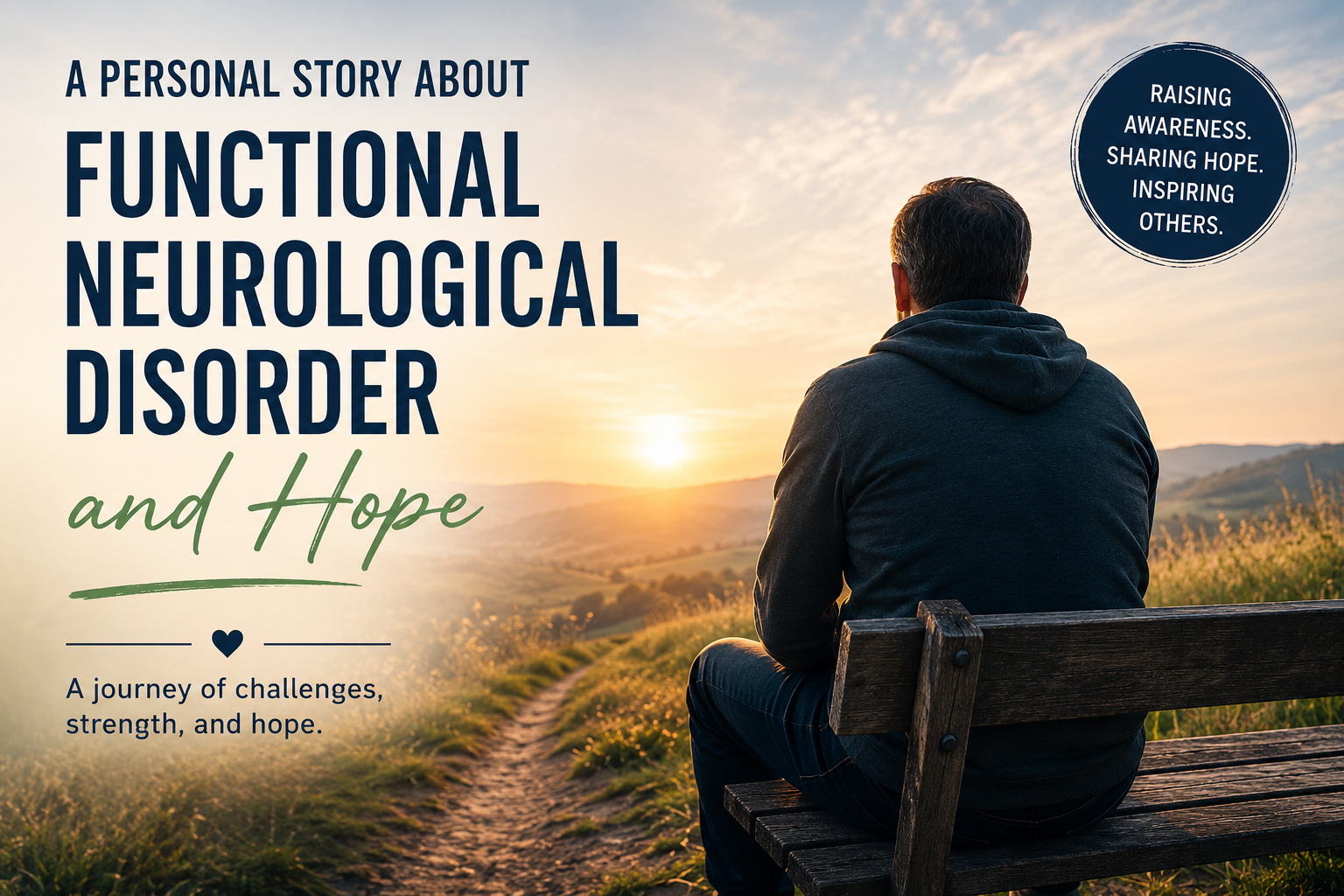


What Makes a Memoir About Living With FND Worth Reading

Blog

Share

Chronic illness stories carry a specific kind of weight, especially when the condition itself is widely misunderstood. Anyone searching for a memoir about living with FND is usually looking for something more than medical facts, they want an honest account of what it actually feels like to lose control of your own body while doctors struggle to explain why. Functional Neurological Disorder remains one of the most misdiagnosed conditions in modern medicine, often mistaken for other neurological diseases before patients finally get answers. That gap between symptom and diagnosis creates years of confusion, fear, and self-doubt, which is exactly the territory strong memoirs in this space are willing to explore.  Readers drawn to this kind of writing are not just patients or caregivers looking for information, many are simply looking for proof that someone else survived a similar uncertainty. The sections below look at why FND memoirs matter, what separates a genuinely useful account from a surface-level one, and how one author’s story captures the full weight of this diagnosis journey.

Why Chronic Illness Memoirs Fill a Gap Medical Resources Cannot

Medical websites can explain symptoms, but they rarely explain what it feels like to live inside them day after day. This is where a memoir about living with FND becomes valuable in a way clinical information cannot replicate. These books translate confusing medical language into lived experience, showing readers what it actually means to face tremors, fatigue, or mobility loss without a clear timeline for recovery. For newly diagnosed patients, this kind of writing can feel like the first honest conversation they have had about their condition. For caregivers and loved ones, it often builds understanding that clinical explanations alone cannot provide.

Inside One Author’s Journey Through Misdiagnosis and Discovery

One recent memoir follows an author’s long and often confusing path through unexplained symptoms, repeated hospital visits, and a diagnosis of Multiple Sclerosis that was later reversed entirely. Only after years of uncertainty did he learn his symptoms were connected to Functional Neurological Disorder, a condition he had never even heard of before receiving the diagnosis. The book does not rush past the confusion and fear that defined this search for answers, instead walking readers through tremors, gait difficulties, dystonia, speech changes, and the gradual loss of independence that came with each new symptom. This is Jim Cosper’s memoir, My Life Under the Functional Neurological Disorder Umbrella, and it stands out for how openly it discusses both the medical realities of FND and the emotional toll of being misdiagnosed for so long. Cosper credits much of his strength during this period to his wife, Tammy, along with the wider FND community that helped him find language for an experience he had no framework for at first. Beyond the medical journey itself, this kind of memoir often becomes a resource for self-advocacy, something many readers say is missing from their own experience with the healthcare system. A well-written memoir about living with FND does not just document suffering, it models the persistence required to get an accurate diagnosis in a healthcare system that is still learning how to recognize this disorder.

How These Stories Offer Hope Without Minimizing the Struggle

What makes chronic illness memoirs genuinely helpful is their refusal to oversimplify recovery. FND does not follow a predictable path, and pretending otherwise would undercut the honesty readers are looking for. Instead, the most effective books in this space acknowledge ongoing challenges while still offering a sense of hope, showing that adaptation and a meaningful life are possible even without a full return to how things were before. This balance between honesty and encouragement is difficult to strike, but it is often what readers remember most after finishing the book, more than any specific medical detail. For patients, caregivers, and anyone trying to understand this condition more fully, a well-written memoir about living with FND offers something medical literature alone cannot, a genuine sense of not being alone in the experience. These stories validate the confusion of misdiagnosis, the exhaustion of chronic symptoms, and the slow work of rebuilding a sense of normalcy afterward. Readers looking for this kind of honest, encouraging account will likely find themselves returning to passages long after finishing the book, using them as a reminder that persistence and self-advocacy can eventually lead to answers, even when the path there is far from straightforward.

Written by

I’ve learned that writing doesn’t always begin with clarity it often begins with curiosity. Some days the words come easily, other days they hide. But if I keep showing up, something honest always finds its way through.

Related Articles

Leave a Reply

Your email address will not be published. Required fields are marked *